Azerbaijan is a nation woven with threads of spiritual traditions and diverse cultures. It is a melting pot of Persian, Turkic, and other civilisations. This ultimate Caucasian country is a blend of Europe, Middle East, and the Soviet. On one hand the country embraces modernity in its chic capital Baku, and on the other it keeps the old cultures and traditions alive and lives the old ways of life outside Baku. And one of those undying traditions is its age-old belonging with traditions of fire, brought by fire-worshipping Zoroastrians who came to Azerbaijan over 2500 years ago. Azeri people see Fire as a sacred pathway, that bridges the spiritual and physical realms. They believe fire connects them with God and protects from dark forces. Fire forms a part of its name ‘Azer’, and its reverence is seen in the Flaming Towers, an emblem of Modern Azerbaijan.
Day 1 & 2 – Explore Baku
Sitting attractively on the Caspian coastline, Baku offers you a little bit of Europe, a little bit of Asia and of course the Middle East. The old city of Baku, Icheri Seher offers a good introduction to the city. There are medieval monuments and cobbled lanes around you, reminiscent of the old times, and overlooking these walls are the skyscrapers and the world famed Flame Towers. There are a plethora of historical structures and atmospheric restaurants in this UNESCO-listed fortified old city serving delectable Azerbaijani cuisines. But the real heart-stealer are the Art Galleries. And some emblems of the past – the Silwansa Palace, Maiden’s Tower, ancient mosques, and the South gates which opens to the seaside of the Caspian Sea.
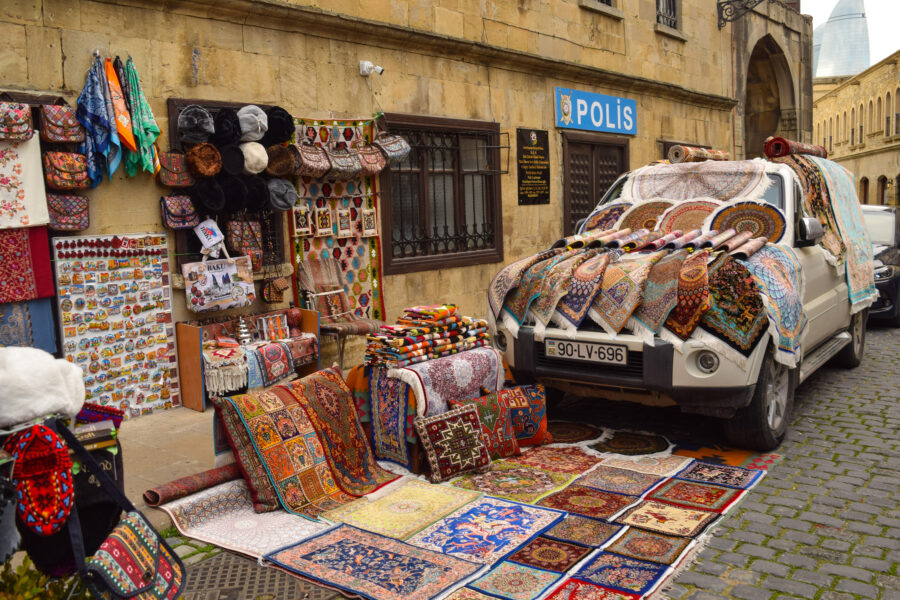
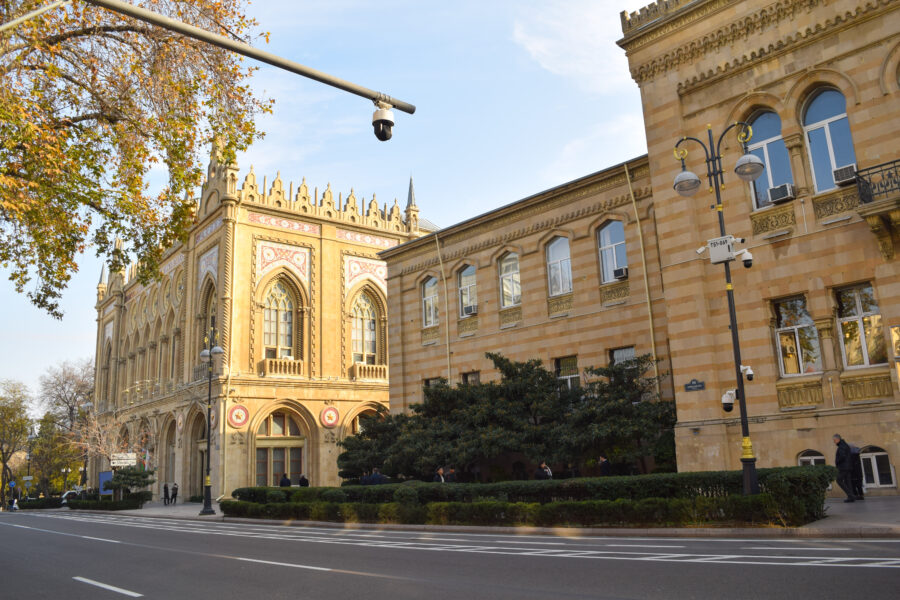
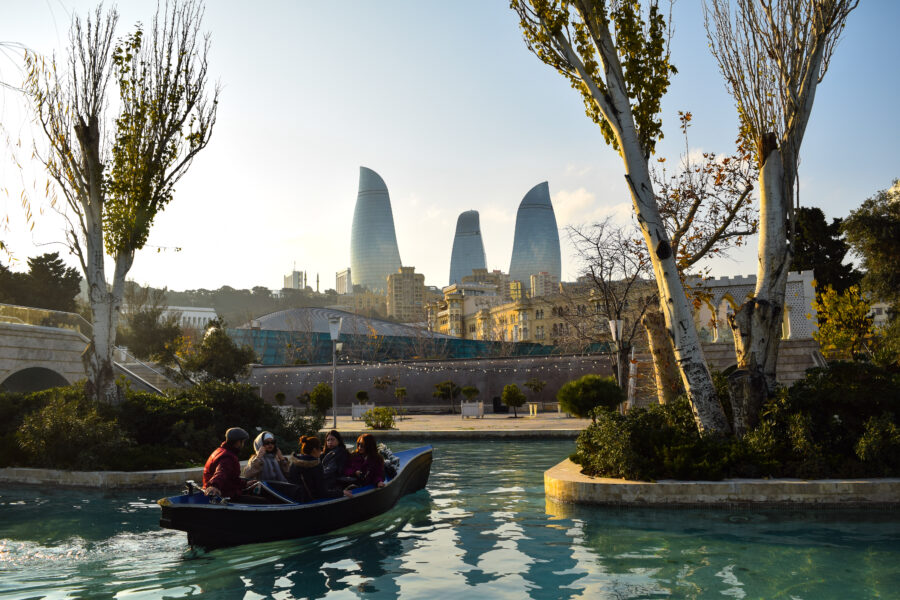
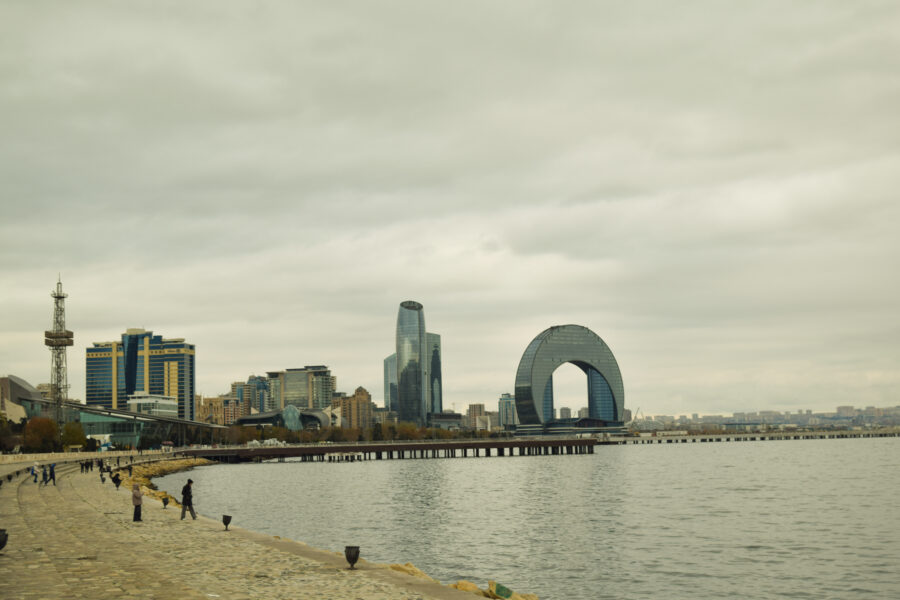
Keep a day to explore the old city. The old houses, craft and souvenir shops, and museums are a treat to watch. An evening stroll around the Caspian Sea promenade is an experience that will remain with you for a long time. Being a touristy area, there are loads of artsy cafes that line these areas. The rizz of the evenings in the old town is unmatchable.
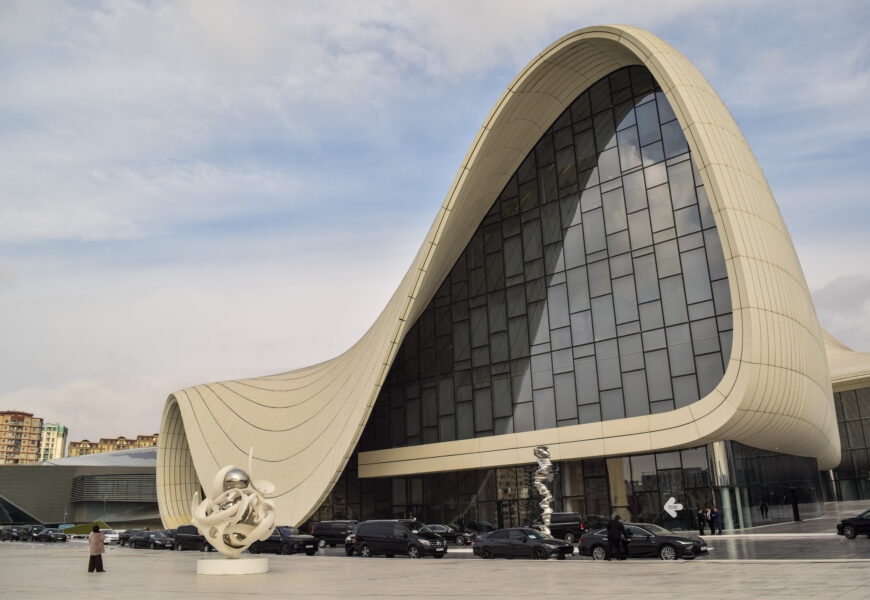
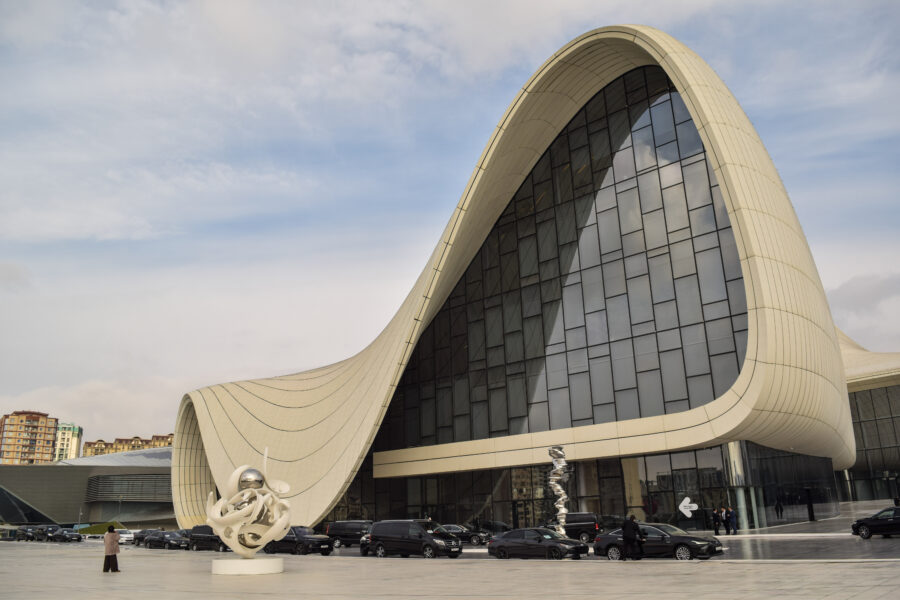
Keep the Day 2 to explore the modern part of Baku. The highlight in this list must include the Zaha Hadid’s Heydar Aliyev Centre. The Heydar Aliyev Centre is a soft addition to Baku’s skyline. With its abstract design of fluid, wave-like form, which gives an impression of the building rising organically from the landscape, dissolving the boundaries between structure and space. The Centre has redefined Baku’s visual identity.
Baku added more structures like these. The Formula 1 and Fountains Square, which was thoughtfully restored, as a vibrant public piazza, and Flames Tower, gave a global identity to Baku, with many even calling it the ‘Dubai of the Caucasus’. The Flame Towers signify Azerbaijan’s ‘Land of Fire’ moniker and its heritage as the crucible of Zoroastrianism, the ancient fire-worshipping religion.
Day 3 & 4 – To the highlands in Quba, Khinaliq, and Laza
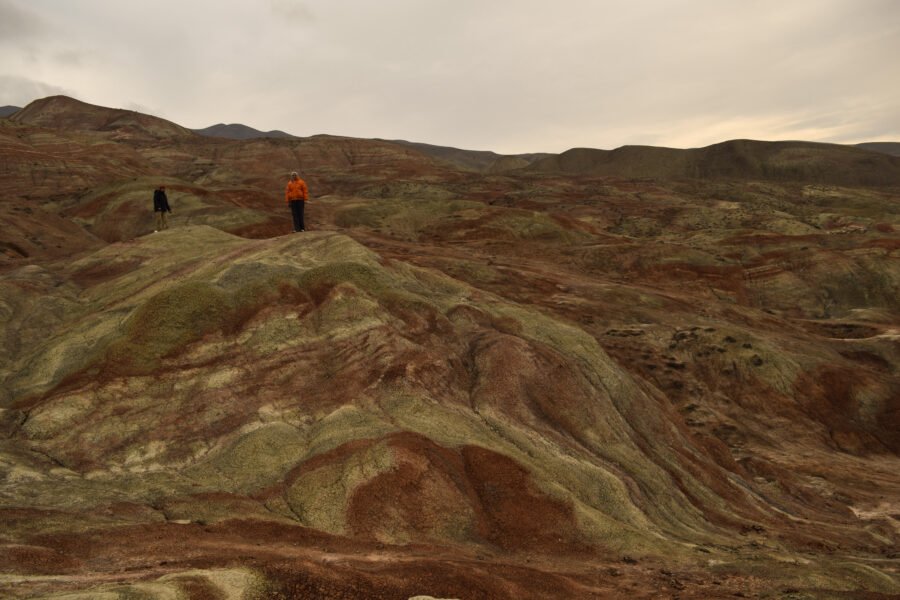
These days are reserved for a journey up north, in the Caucasian heart. Take a bus from Baku in the morning (or group tours from the old city) to Quba. The drive up north takes you to a completely different setting from Baku. Around fifty miles in, the landscape softens. The air feels greener, and the setting more rural. Roadside hawkers sell buckets of smoke-tinged fruit, and goat carcasses hang like laundry along the highway. If you have taken a group tour or driving to Quba, you can take a short detour to the Candy Cane mountains or coloured mountains. The colour is due to high erosion, and high metallic content in the rocks. These mountains almost like some undulating waves, are quite discernible from far, and worth a halt.
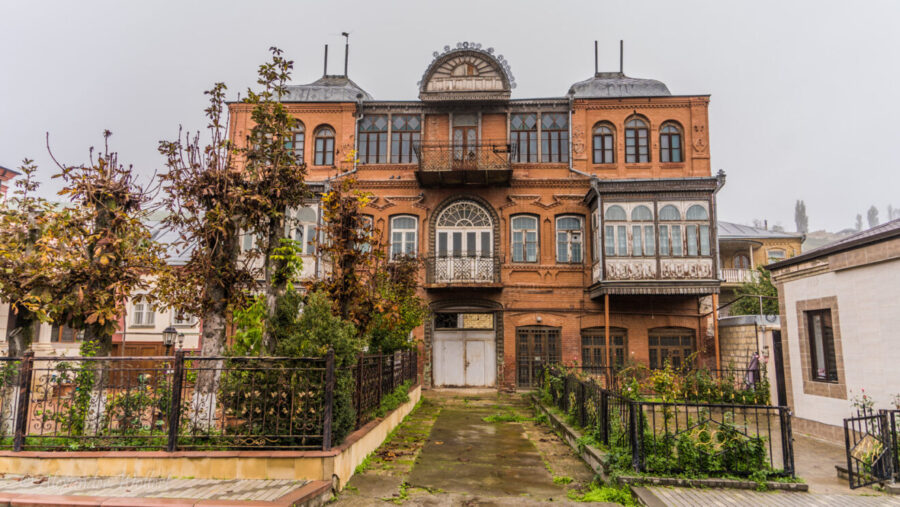
The journey to Quba is around 2-3 hours. Quba is an old, sleepy town and many prefer to skip it. But you can plan it in a way to explore some unique places like the Jewish Red Town, while covering the two remote villages of Khinaliq and Laza.
Day 3 – To the remote village of Khinaliq
Khinaliq would be another two hours from Quba. The best way thus, would be settle down in your hostel, take your lunch, probably see the Genocidal Museum, and then head to Khinaliq. You still will have 3 to 4 hours in Khinaliq. Or you can also stay overnight in Khinaliq.
The Genocidal Museum strikes an interesting note. In 2007, builders while building a soccer stadium in the town, discovered a mass grave of over 500 individuals, of elderly people and children. This was a mass grave of victims of violence by Armenian gangs in 1918. On the site of this mass grave, Azerbaijan Government built this museum to tell the story behind centuries old conflict between Armenia and Azerbaijan. It won’t take long to cover it, but this visit will leave you with a good account of this centuries old feud.
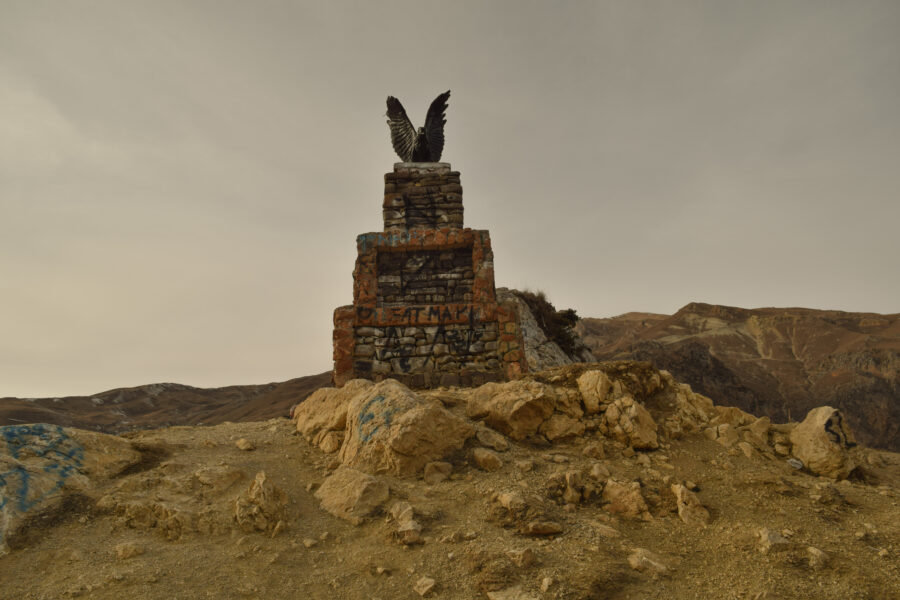
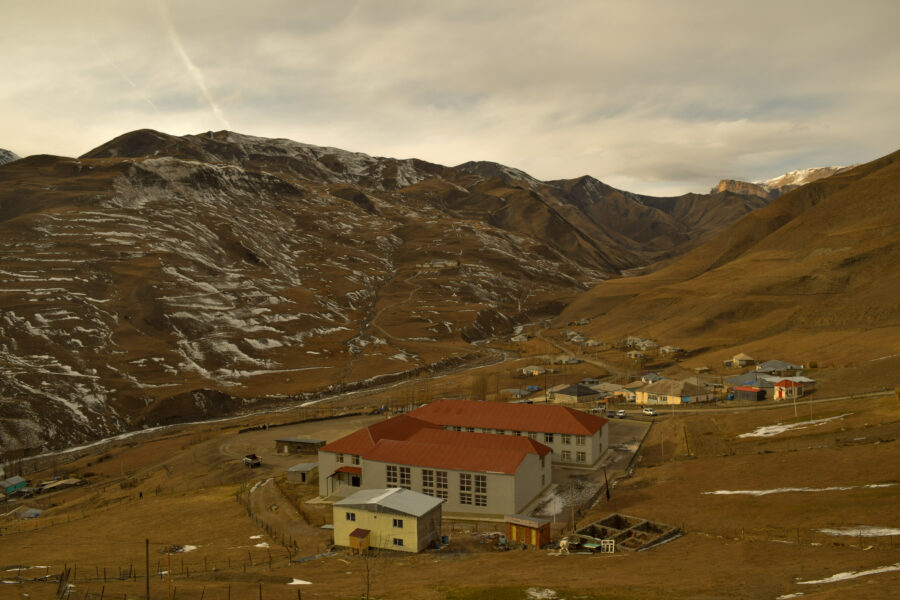
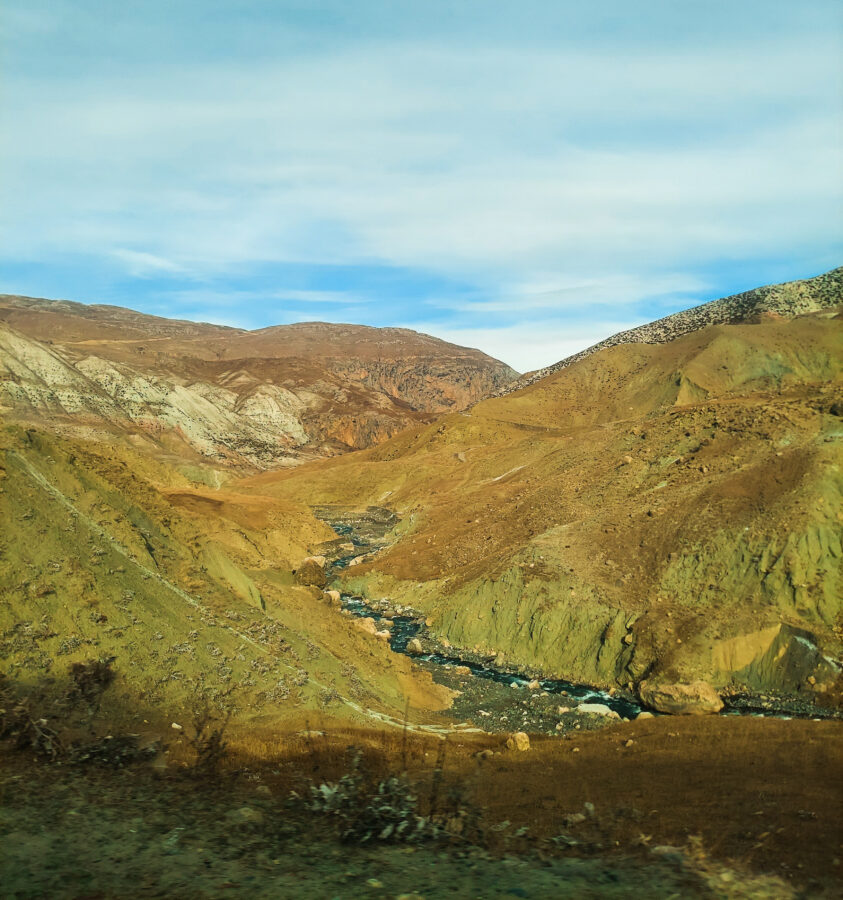
Khinaliq is a two-hour journey from Quba. The scenery changes the moment you step out of the city boundaries. Forests swoon the road on both sides. Soon you can see the grandeur of the Caucasus, and verdant meadows replace the forests, and then by a raging mountain river and gorges. The journey onwards is along the course of this river. The views grow more spectacular as you approach Khinaliq. Midway there is an Eagle Point with sweeping views of the valley.
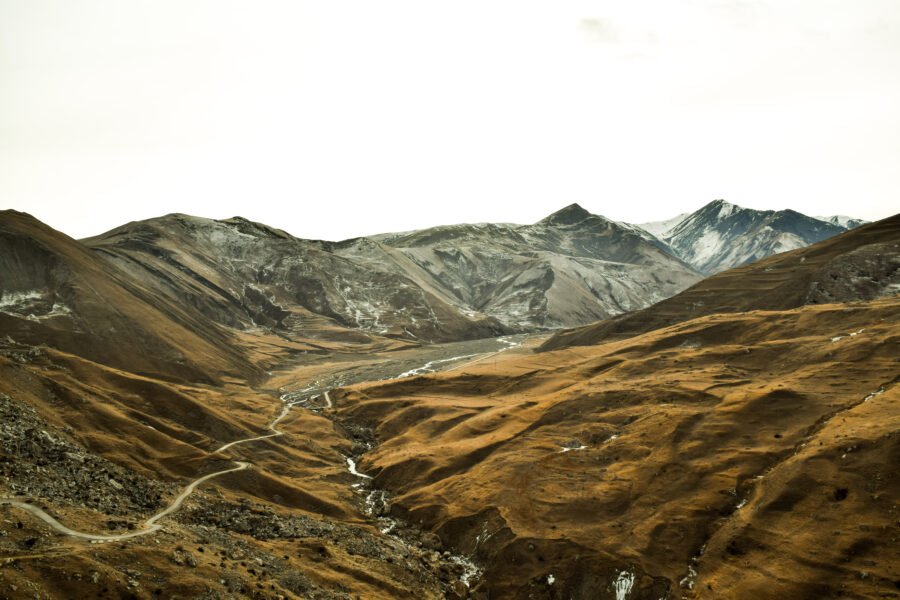
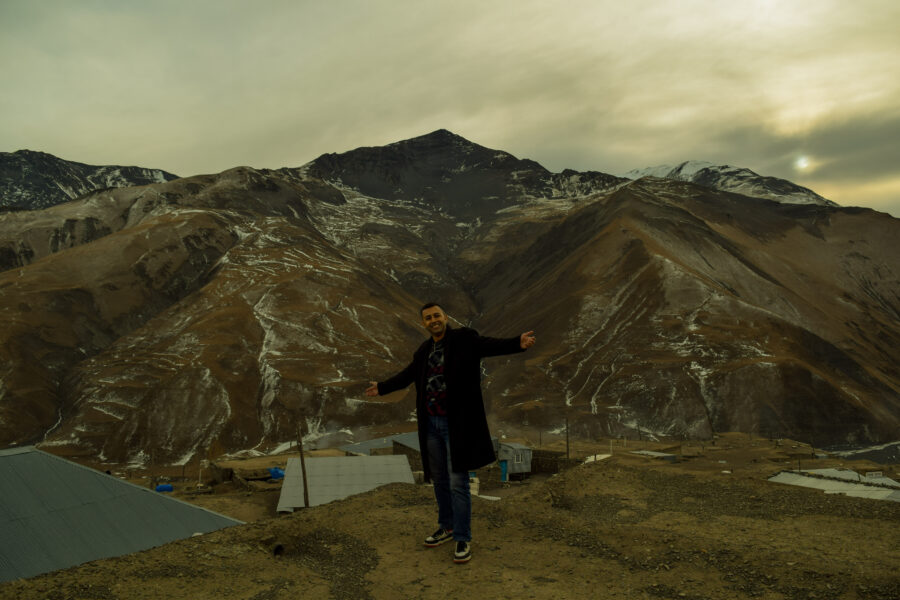
Another hour, and you are at Khinaliq. Khinaliq is among the oldest inhabited villages in the world. Due to its isolation, the villagers have been able to preserve their language, tradition, and their indigenous roots. In Khinaliq, people speak their own language called Ketch. The language is not related to any known language family, and they follow a combination of traditional animistic beliefs and Islam.
Khinaliq is more about soaking in the remoteness of the place. The air is thinner here, and the views breath-taking. The highlight of Khinaliq is a 5 km hike to the Fire Temple. The temple stands weathered but the panoramic views stretching across valleys and peaks make up for everything.
I would suggest a guided tour to learn different nuances of life in this remote land, and the centuries old traditions and culture of the village people. One can also stay back in Khinaliq in a homestay, to acquaint oneself better with the village life. The stay options in Khinaliq can cost around 30 Mannats ($20) including stay and food. People extend their stay in Khinaliq to embark on short treaks from the village to nearby villages of Qalayxudat (11 kilometers) or Jek (13 kilometers). One can even hike to Laza from here. For this you will take a full day over a mountain pass and will need a guide.
The other option is to return to Quba for the night, to embark on a journey to Laza the next day.
Day 4: Off to Shahdag and Laza
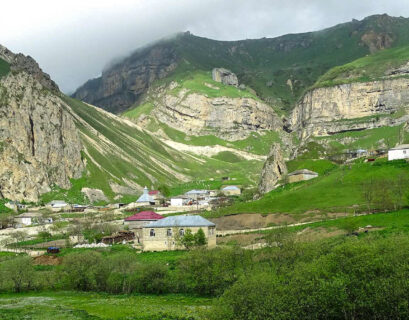
In Baku, you will find many companies selling tours to Shahdag Mountain resort. I suggest you go further to Laza, a small village in northern Azerbaijan, located in the Gusar District within the Shahdag mountain range. Laza is difficult to reach, but well worth the journey for its impressive mountain views, waterfalls, and authentic atmosphere.
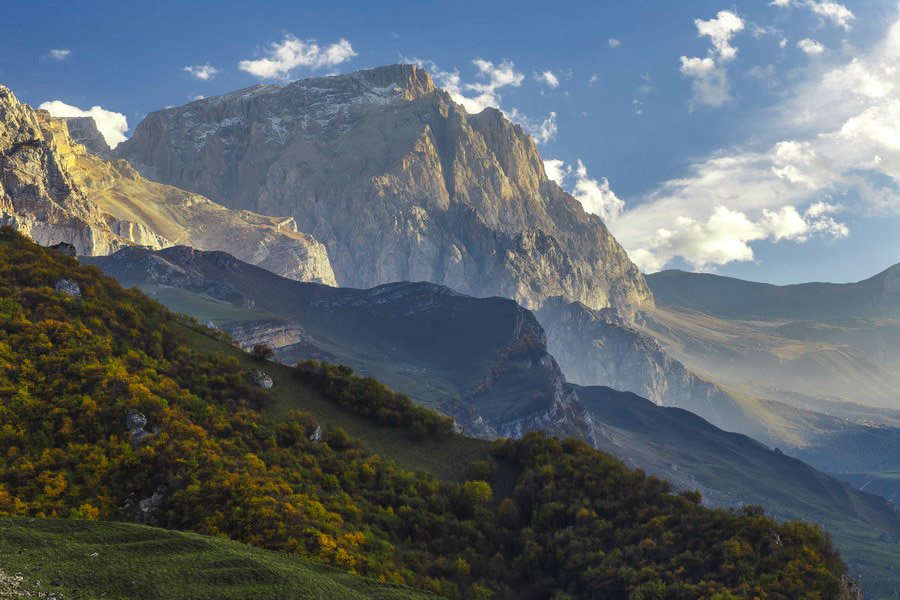
It will around two hours to reach Laza from Quba. You can take a stop at the Shahdag mountain resort, spend half a day there, and then proceed to Laza. Laza is about dramatic setting, the resilient mountain life, and the frozen waterfalls that, in winter, beckon ice climbers armed with axes and crampons. Laza’s landscape carries a quiet, timeless beauty. If Khinaliq was an introduction to the timeless Azeri culture and unmatchable Caucasian beauty, Laza was an invitation to slow down and breathe the freedom of Caucasus.
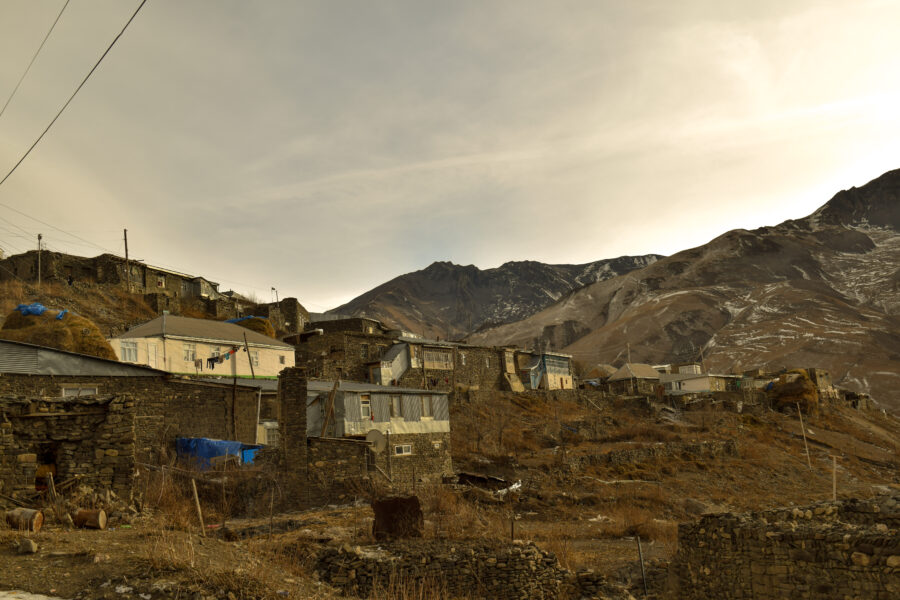
Laza doesn’t have a ‘to-do’ list. There are no must-see monuments, no carefully curated tourist circuit. This mountain village is to slow down and capture the mountain vista. Enjoy the panoramic views, the stone houses, and take a trail to the waterfalls. The hike to the waterfalls is the best thing one can do here. The trail begins from the village, winds through the meadows, and then gradually you embark on the mountains. The path follows a fast-flowing mountain stream, and soon you can hear the water gushing down from the mountain. The entire setting is charming and worth every muscle you pulled during the hike.
I’ll advice you to go back to Baku from Laza. You can take the next part of the journey from Baku.
Day 5: To the cultural capital Shamakhi
It is easy to plan Shamakhi from Baku. You can take a bus which would take 2 hours to get you to Shamakhi. After learning it a hard way, I’d suggest keeping 1.5 days for Shamakhi. One full day to explore Shamakhi and the vineyard, and the next half day to another offbeat destination – the village of Lahij. After Lahij, return to Shamakhi, and take a bus or marshrutka to Shekhi. The journey to Shekhi will take around 3 hours.
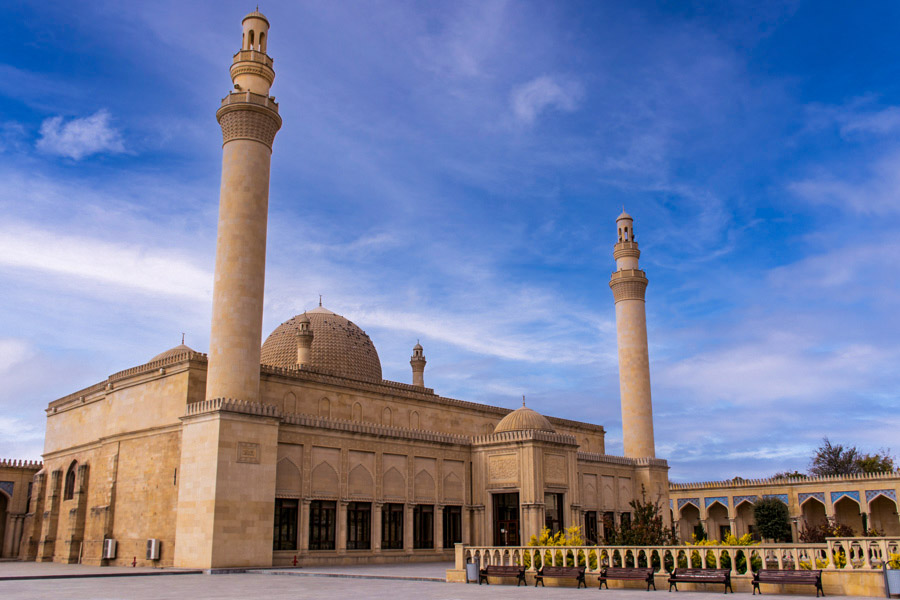
Shamakhi has a cool, mountain vibe to itself. But more than the surreal side of Shamakhi, it is more known as the cultural heart of Azerbaijan. Shamakhi was the capital of the Shirvanshahs from the 9th to the 16th century, and a thriving centre of trade, culture, and political power. After a catastrophic earthquake of 1859 completely levelled Shamakhi, the rulers shifted the seat of political power to Baku. Then with the discovery of oil in Baku, its prominence rose, and Shamakhi’s gradual decline begun. But Shamakhi still remained the beating heart of Azerbaijan and evolved as a city of writers and poets.
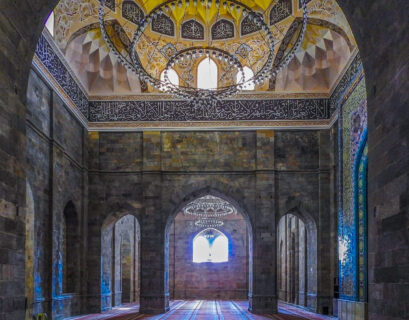
One can cover Shamakhi in a day. My suggestion would be hiring a private taxi as some of the stops are a bit scattered. You should keep time to visit the Juma Mosque, one of the oldest mosques which has been destroyed and built multiple times. From there take a route to the Shamakhi History and Ethnography Museum and to immerse yourself in the history of Shirvanshah period.The museum preserves the region’s archaeological discoveries, cultural heritage, and everyday traditions, and offers an introduction to Shamakhi’s rich past.
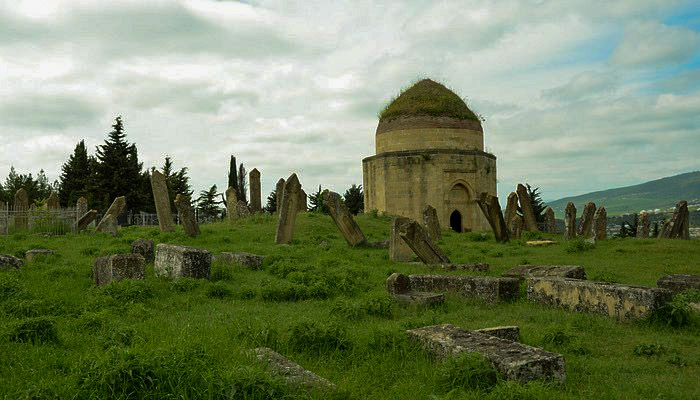
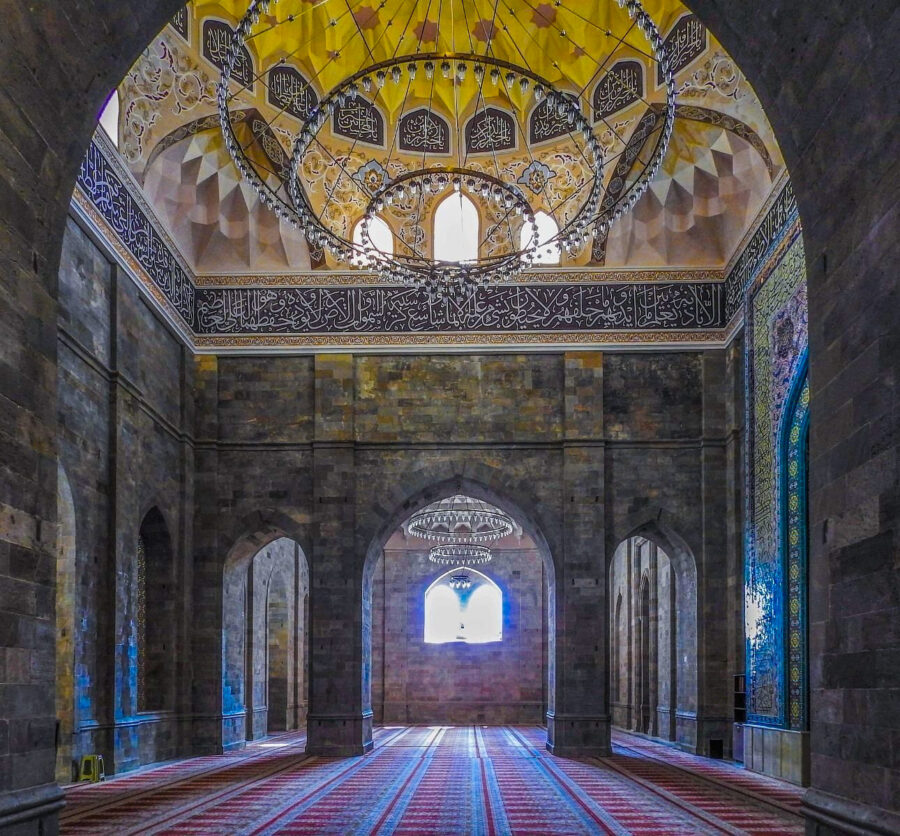
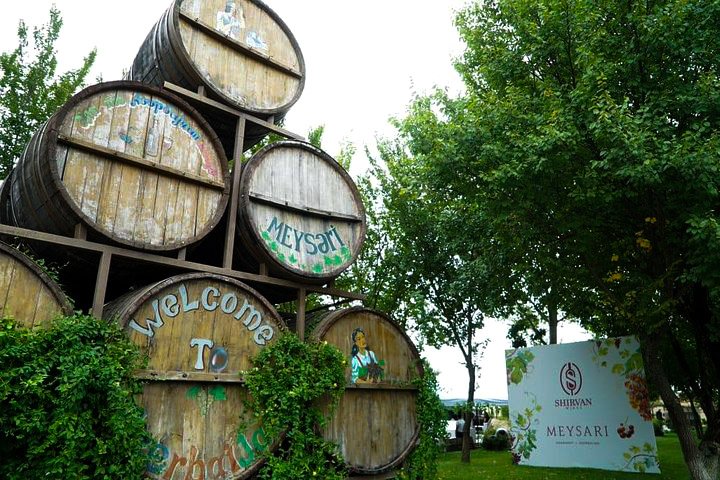
Another idyllic stop is the Shamakhi Astrophysical Observatory, some 20 kms from the city. It is located on the Mount Pirgulu and guarantees panoramic views of the city and the surroundings. If you have an extra day, you can plan an extended trip to the Pirugulu National Reserve and some hiking trails. From here, I went to explore another side of Shamakhi – the vineyards of Meysari. Meysari is among the newest wineries in Azerbaijan, and the place gives you a holistic experience from wine testing, lessons on wine history of Azerbaijan, to outstanding fine-dining options in the restaurants here. You can spend an entire evening here.
Day 6: Keep a day for Lahij
Lahij is a place that will stay with you for a long time. Its cobbled lanes, timeless charm, and the unparallel craftsmanship in artisan workshops will linger in your mind. Lahij is barely 50 kilometres from Shamakhi and can be covered as a day trip.
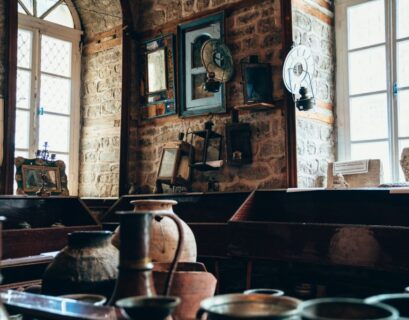
Lahij has preserved its character over the years. It is a village of artisans, with more than forty traditional crafts practised here. Lahij was a major trade centre of artisan’s works in the Medieval ages. The coppersmiths of Lahij had won it its fame. In the 18th century, Lahij gained a reputation for producing cold steel weapons and copper. It became a major trade point of copper pots and lamps and weapons, some of which still adorn famous European museums, especially the Louvre and the Hermitage.
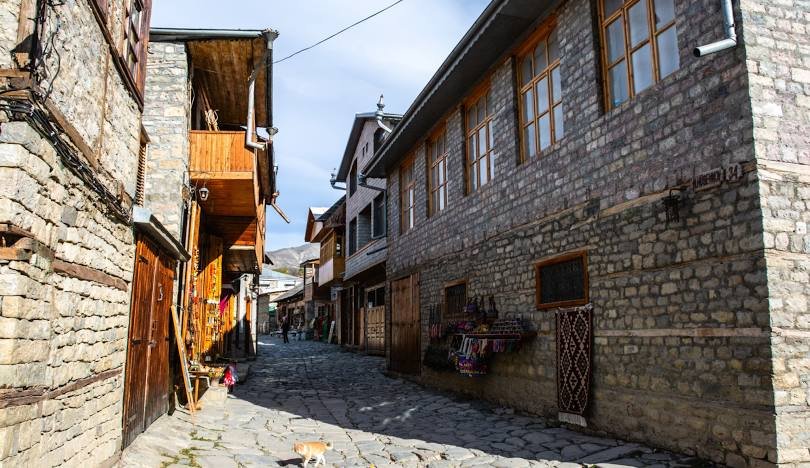
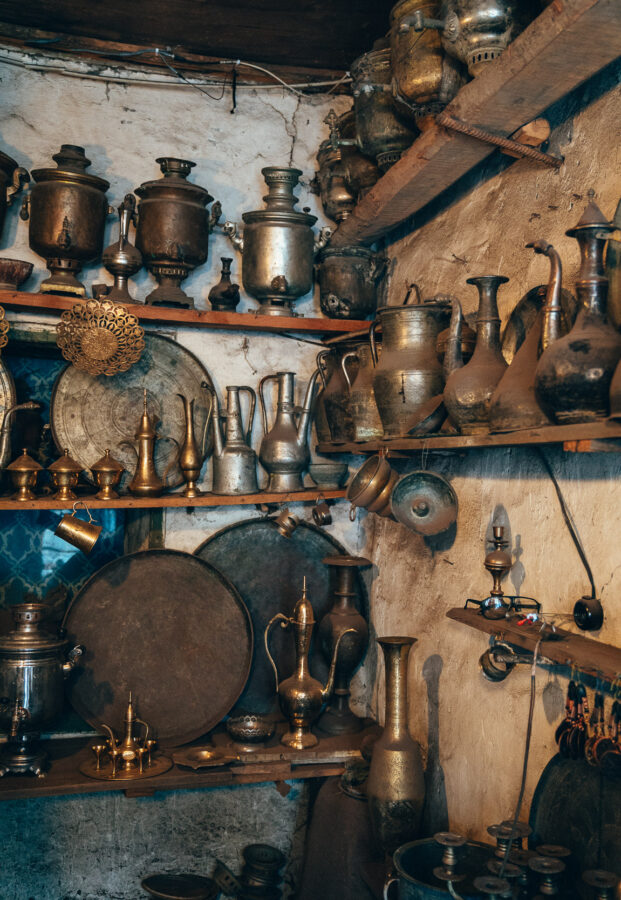
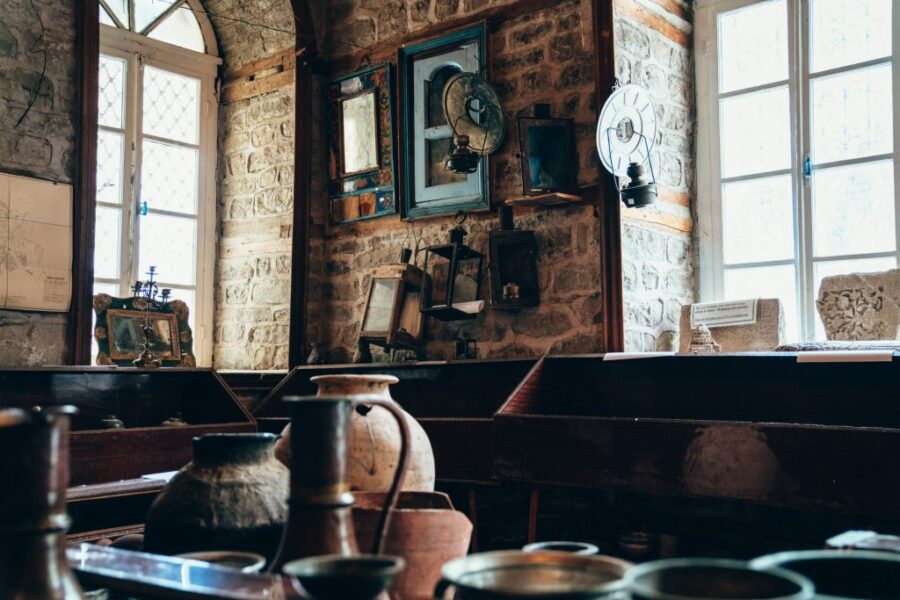
And as like most heritage places Lahij is best explored on foot strolling across the narrow lanes with artisan shops on both sides. You can even sit in one of these shops and see them shape plates, jugs, bowls, trays, and ornate decorative pieces using tools and techniques that have been handed down through generations. There is also a small museum at the end of the street which documents the artistic history of Lahij and the various patterns of arts on display in the village.
Something very interesting here is the way the streets and drainage pattern is arranged. Historians put it as something close to what existed in Roman empire. So, not just the shops, even the streets take you back centuries ago.
One can easily spend half a day here. And reserve the other half to go the next stop Shekhi.
Day 7: The impressive old town of Shekhi
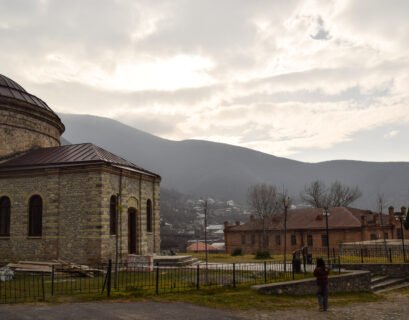
Shekhi is one place you should not miss on your trip to Azerbaijan. Sheki combines history, culture, and nature in a way few towns do. Shekhi is blessed with an idyllic backdrop of Caucasus, and a river run through the city. Shekhi is an old, traditional city which was once the capital for the powerful Shekhi Khanate. The Khanate gifted the city with some of its finest architecture, including the famous Khan’s Palace. In 2019, UNESCO inscribed the Historic Centre of Shekhi.
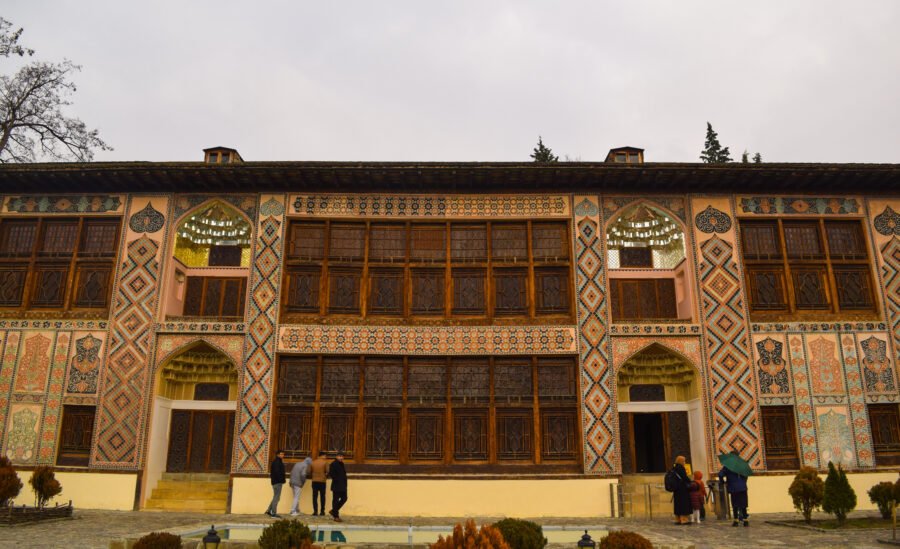
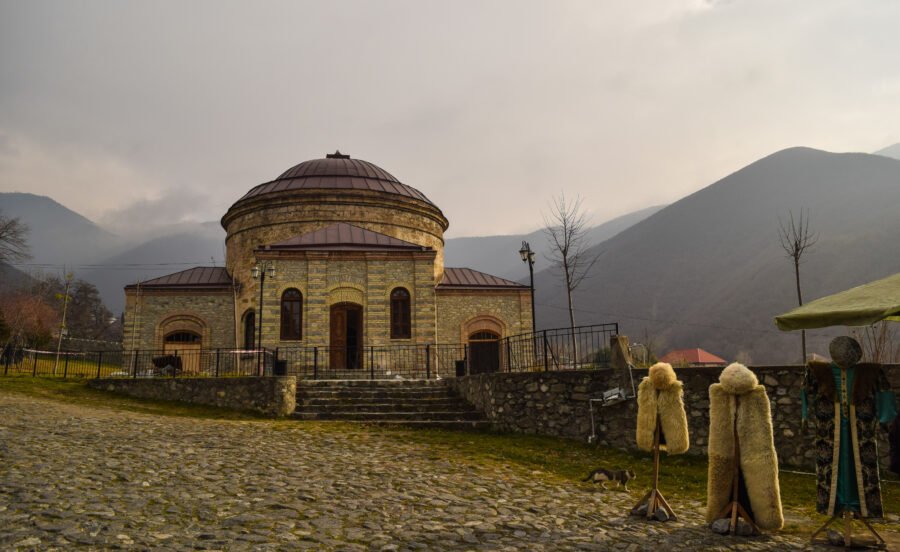
One definite stop in Shekhi is the Shekhi Palace compound. In fact a lot of monuments are in the compound itself which eases the exploration part. Shekhi Palace is among the most beautiful buildings in Caucasus. This is a 250-year-old building. The interesting part of the architecture of the Shekhi Palace is that it does not contain a single nail. The records suggest that it took 10 years to build the palace with almost eight years spent on the interiors. All the rooms of the palace are lavishly decorated. There are coloured window glasses made with paper-thin Venetian glass. No nails are used in the glasses too. This is done by a special technique called Shebeke. There’s also a Shebeke workshop in the compound to know more about this technique.
Within the same complex there are other buildings like the Caucasian Albanian Church. Some distance away, there is another emblem of Shekhi’s rich past – the Caravansarai or the rest house for travellers and merchants on the Silk Road. The Upper Caravansarai is still open and offers a change to experience the life a trader would have passing through Sheki centuries ago.
A little distance from here is the Shekikhanovs’ House (also called Shekikhanovs’ Palace or Winter Palace). Another interesting architecture but less resplendent than the Shekhi Palace. But I guess the most interesting part of the Shekhi tour was a leisurely stroll across the old town. There are several old styled buildings worth capturing, and some cafes which serve authentic Shekhi cuisines.
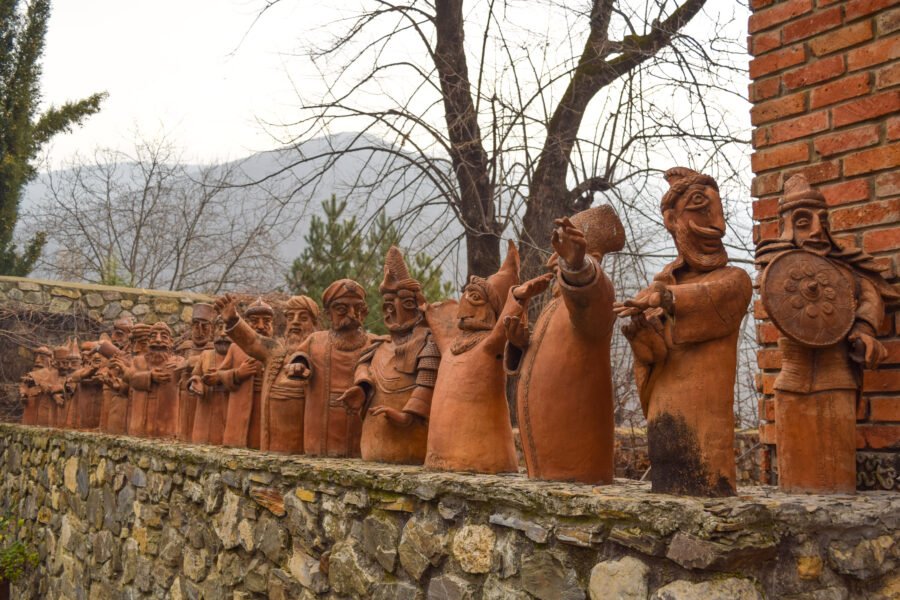
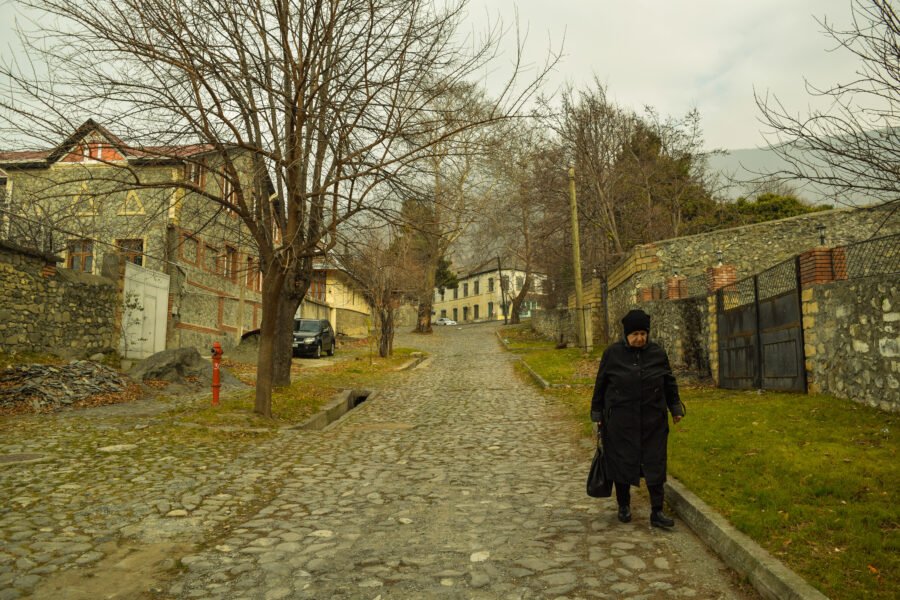
Shekhi can be covered in a day, bit it leaves an impression that stays for years. And a recommendation, finish your day with a nice serving of Azeri Plov and Shekhi baklawa. You won’t get this taste anywhere else in Azerbaijan.
Day 8: The splendour of Gabala
Even if you have covered the Shahdag mountain resort, I would still recommend going to Tufandag mountain resort in Gabala. Gabala is easily accessible from Shekhi – even by public transport. It takes a two-hour Marshrutka ride from Shekhi to reach Gabala, and a 15–20-minute ride from Gabala bus stop to the resort. The resort sits high in the Caucasus and offers spectacular views of the surrounding mountains and valleys. As the cable car climbs steadily up the mountainside, you realize the impressive scale of Caucasus. Beyond Tufandag, Gabala is worth exploring at a slower pace. The surrounding region offers opportunities to visit waterfalls, and a serene lake.
If you have an extra day, you should do something I missed and now regret. Take a day tour to venture beyond Baku to explore the otherworldly landscapes of Gobustan.
Gobustan is located around an hour from the capital, and is a fascinating region where history, geology and the stark beauty of the Azerbaijani landscape come together. The area is best known for the Gobustan Rock Art Cultural Landscape, a UNESCO World Heritage Site. The site contains thousands of ancient rock carvings, some of which date back thousands of years. At the Gobustan Museum, visitors can learn more about the archaeological discoveries in the area.
Close to it is one of Azerbaijan’s most unusual geological phenomena – its mud volcanoes. Azerbaijan is famous for having one of the world’s highest concentrations of mud volcanoes. Mud volcanoes release a mixture of mud, water and gases from deep underground. Small pools of grey, bubbling mud, with occasional bursts of gas, dot the landscape. Some of the volcanoes continuously bubble and gurgle, while others remain relatively quiet. The sight of mud slowly oozing from the earth against the backdrop of the barren Gobustan landscape is both strange and fascinating.
Hits: 0
Tags: Azerbaijan cities, Azerbaijan tourism, Azerbaijan travel, Baku, Cultural travel in Azerbaijan, Hidden Gems of Azerbaijan, Hiking in Azerbaijan, Khinaliq Azerbaijan, Laza village Azerbaijan, Mountain villages of Azerbaijan, offbeat Azerbaijan, Places to see in Azerbaijan, Quba, Rural Azerbaijan, Shekhi, Shimakhi, Things to do in Quba Azerbaijan, Traditional villages of Azerbaijan Last modified: October 9, 2026