After years of writing, revising, doubting, and returning to the page, my second novel ‘Out of My Oyster’ is finally published. Absolutely nothing in life, can be compared to this remarkable journey. Endless readings, discussions, editions, revisions, shape a book. While we may say it’s a writer’s work – their thought process and their perspectives, but I feel it’s more than just an individual’s work. Atleast in my case, I’d say it’s a product of endless conversations. And in the process of these conversations, I have discovered myself – the part of me that had remained unexplored.
Out of my oyster: The first look
This book is deeply personal in its emotional terrain. A work where I dared to cross some emotional boundaries. It examines how people carry unspoken trauma, how silence shapes adulthood, and how healing often arrives in fragments rather than revelations. Out of My Oyster is born from the decision to step beyond familiar emotional boundaries and sit with discomfort, vulnerability, and memory without flinching. I did not want this book to embark on easy resolutions, but to be a journey towards finding solutions. The book lingers in silent corners where pain is often stored and rarely named.
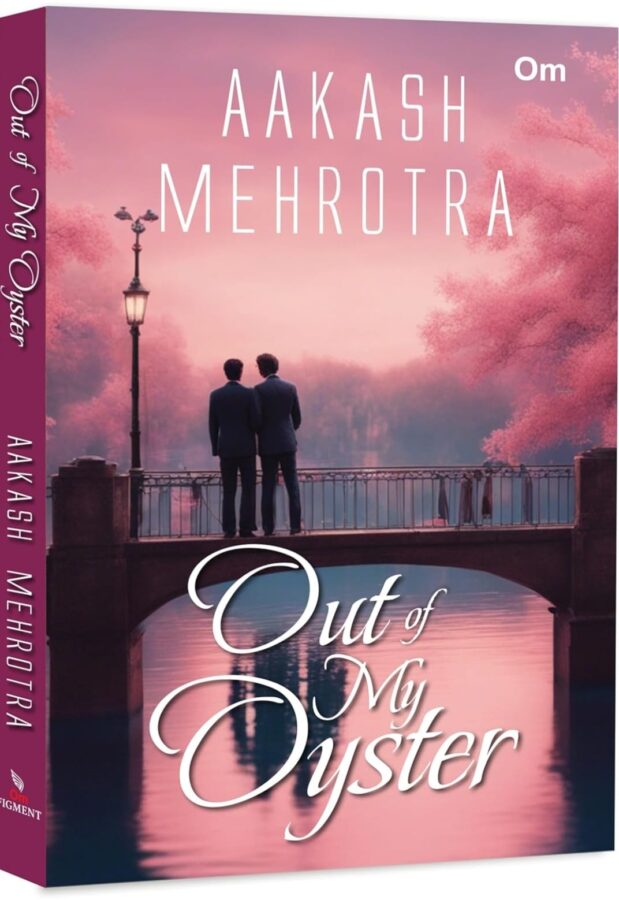
I ask myself sometimes ‘Why did I choose to write on such sensitive themes?’ and trust me there are no answers. I now understand that writers usually don’t have answers to the journeys they take while writing. Out of My Oyster explores how unspoken trauma embeds itself into everyday life. It looks at the ways silence, within families, relationships, and even within oneself, quietly shapes adulthood, influencing choices, fears, intimacy, and self-worth. Trust me when I say it wasn’t an easy task to drape this hat and thing from the perspective of a victim, who have chosen to silently recluse in their oyster.
The first chapter, an unending passion
The most difficult part of a long journey called novel, is writing the first chapter. Let me pour in a little of editorial advice I got – ‘most readers put down your book, after reading the first chapter, and quite a majority in this majority, after reading the first few pages’. In a character led novel like this, the first chapter should be more ‘tell all, mince no words’ tale. I tried to pour in my individuality in this chapter.
Out of My Oyster doesn’t start with questions or dramatic twists which are more oriented to egg reader’s curiosity. It starts slow: and that was deliberate.The opening chapter introduces the protagonists, and the contrasts in their personalities. I want my readers to know the characters deeply – because it’s their story, and celebration of their being.
The title of the first chapter ‘And that changed everything’ signals at some change in lives of the protagonists. I see it as a loud claim to start of something new in their lives. The first chapter introduces the tension Anuj (protagonist) is having in their love life with their partner Nikhil. It also pushes the dilemma as his aching heart gets swooned by the presence of Dhruv. This tells a lot how the story would shape in the next chapters.
“Dhruv’s actions and his words rang in my mind as I gulped my waffle. His warm, avuncular smile made me feel safe, and the way he looked at me, with a patient gaze, made me feel loved. In just a few days, he had claimed a territory in my heart. As calls with Nikhil grew shorter, messages fewer, and our chats drifted into the terrain of formality, I began to feel the weight of the silence between us. And into that widening void, Dhruv slipped in—effortlessly, almost unknowingly—filling spaces I hadn’t even realized were empty”
- Chapter 1: Out of my oyster
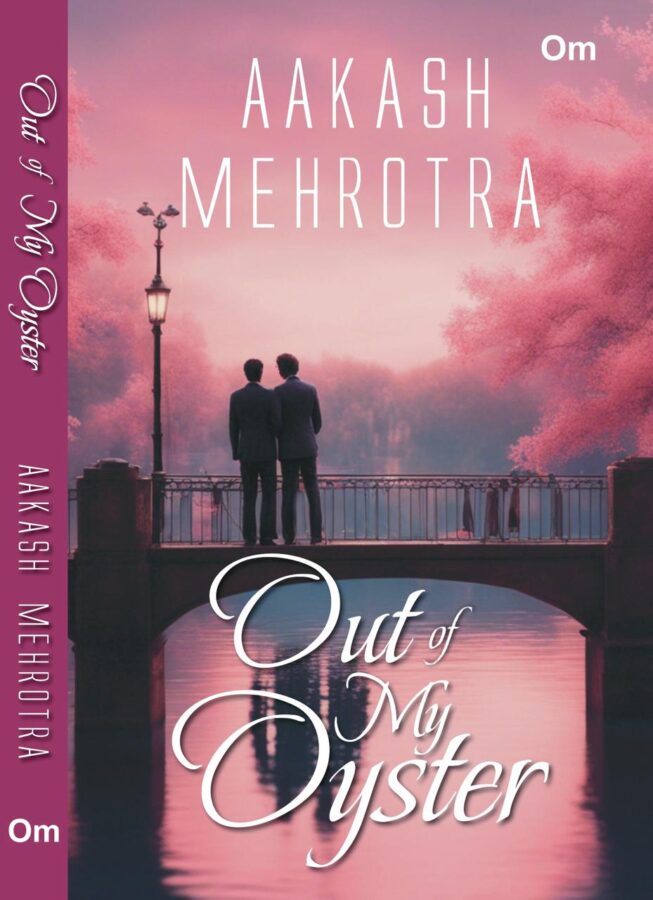
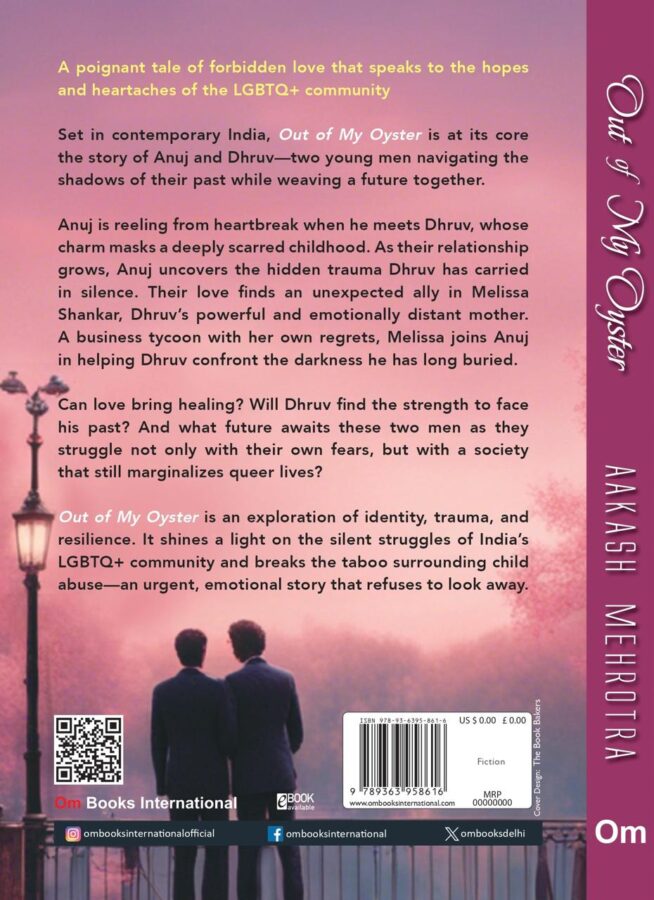
Writing with empathy
As a society, I feel we have consciously chosen to live inside a carefully constructed bubble – one held together by conformity, convenience, and the comfort of familiar narratives. We learn what is acceptable to discuss and what must be quietly pushed aside, within this bubble. Ugly truths are especially unwelcome here, because acknowledging them would require us to pause, reflect, and respond. And often, we don’t have the emotional preparedness to do so.
Trauma and healing sit firmly within this category of inconvenient truths. It is not that we are unaware of them; stories of pain, abuse, loss, and emotional fracture surround us in subtle and overt ways. Yet there is a persistent restraint. Somehow, we have come to some unspoken agreement to not ask difficult questions, or to not name the wounds. Acknowledging trauma would mean confronting uncomfortable realities about families, institutions, relationships, and even ourselves. This would fragile stability of our collective bubble.
Out of my oyster, talks about this trauma – an inconvenient truth. Though, the novel speaks more from the victim’s perspectives than the society’s, but I wish my efforts work as a reminder to every reader to check on people around them for the trauma they may be suffering with.
The story had to be told
It is a difficult theme to write on – and it is not a commercial topic. Writing on a sensitive topic like this requires a cautionary approach. The scenes where the protagonist Dhruv talks about his childhood traumas were difficult to write. I had to do justice to the character, and the sensitive theme of trauma I had chosen to write on. Writing those excerpts proved a long trudge, and I spent a long time writing and editing those pages, which has now shaped up as a kaleidoscope of emotions. And as I wrote, I felt stronger about telling this story, a story of emotional repression, and uncomfortable silences. The more I talked with people, the more I could feel their deeply lodged fear, and profound self-doubt; and more I felt the urge to tell the story.
Links to the book –
For interested readers, here are the links to my novel ‘Out of my oyster’ published by Om books International
From Amazon.in
From Padhega India
At ebay
Also do check-out my first book ‘The Other Guy’ here – Amazon.in, Amazon.com, Flipkart
Hits: 567
Tags: AuthorLife, BehindTheBook, Book review, BreakingSilence, EmotionalHealing, InconvenientTruths, IndianAuthor, LoveAndIdentity, MentalHealthAwareness, QueerFiction, QueerIndianStories, QueerVoices, SilenceAndHealing, StoriesWeAvoid, UnspokenTrauma, WritingJourney Last modified: January 21, 2026