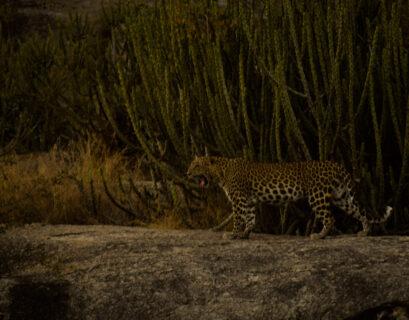
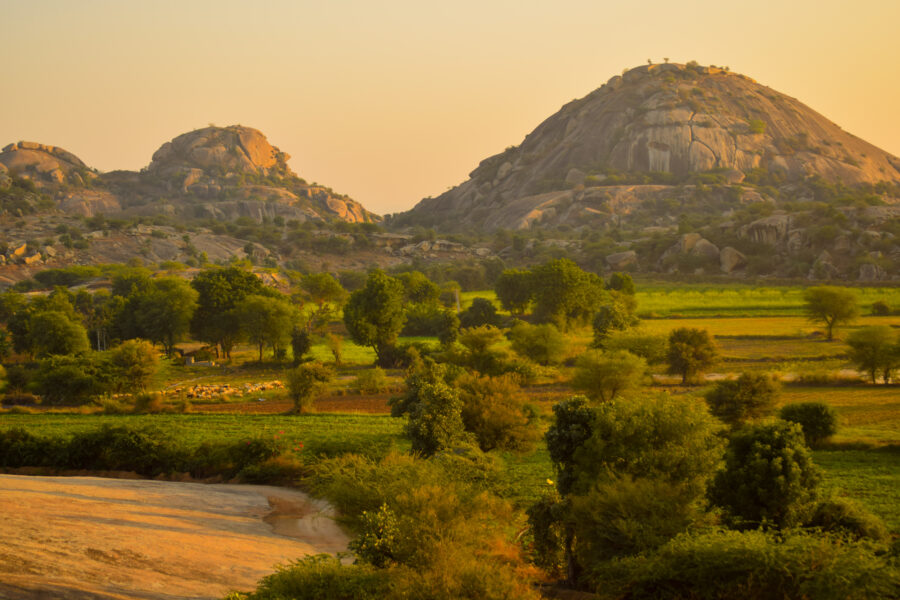
Jawai Bandh, the name conjures images of rugged landscapes, shimmery waters, and, of course, leopards. Jawai offers a unique experience, a chance to witness leopards in their natural habitat, often basking in the sun on the granite hills. And this starkly, beautiful landscape is a telling take of co-existence of Rabari tribe with their non-human brethren. The topography makes this easier with the leopards taking the high hills while the people the lowlands. But their paths cross, almost daily, as the goats and sheep reared by the Rabari tribe, form an integral part of the leopard diet. Jawai has become an elegant example of how social, economic, and ecological interests meet, and clash and prosper.
The overnight train from New Delhi brought me to Jawai in the early hours of the day. The air was crisp, carrying the faint scent of dust and dew. Jawai Bandh station looks like one pulled straight out of the Malgudi days – small, cute, and bracing for a regal make-over. As I stepped off the train, the hush of dawn and the stillness of the rugged hills made it seem as though time itself had paused to welcome me.
My abode for three days, the Jawai Wilderness Lodge, was almost half an hour away from the Railway station, tugged right in the leopard territory – in the village called Doodhni. As the cab crossed the town area, and the silhouette of the granite outgrowths emerged, an intimate and untamed feeling set in. every nook, every possible outgrowth looked like a possible leopard territory. Soon we crossed the gates of the Jawai dam – a panoramic landscape fashioned by ancient boulders, acacia scrub, a narrow channel of water, and wide, open skies. Some more minutes, and the cab entered terrain shaped by wind, time, and wilderness. It was fascinating to see how the village, the wilderness, and the remnants of ancient colonial-era buildings coexisted within the same landscape—each holding its own history yet blending seamlessly. It was like past and present, human and wild; all were effortlessly woven in the same space.
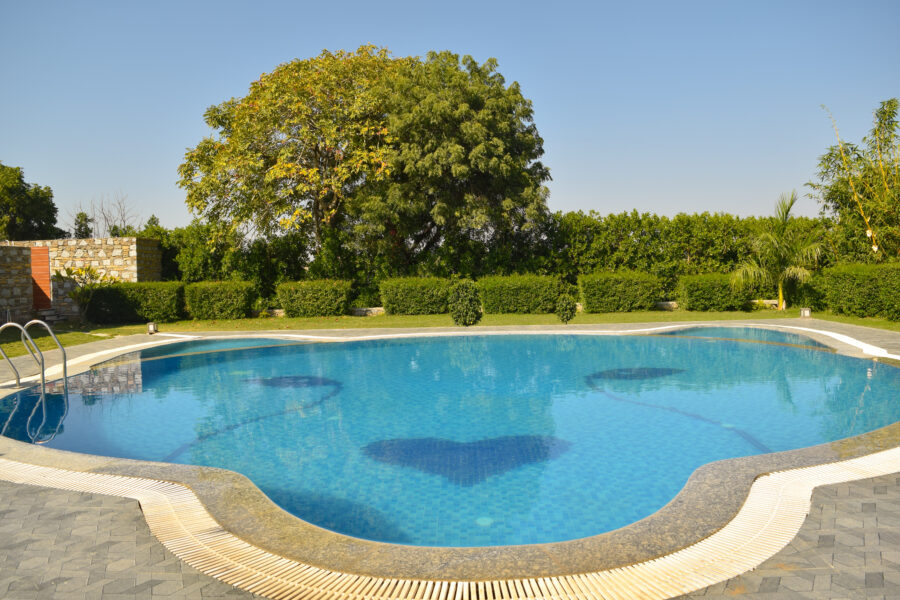
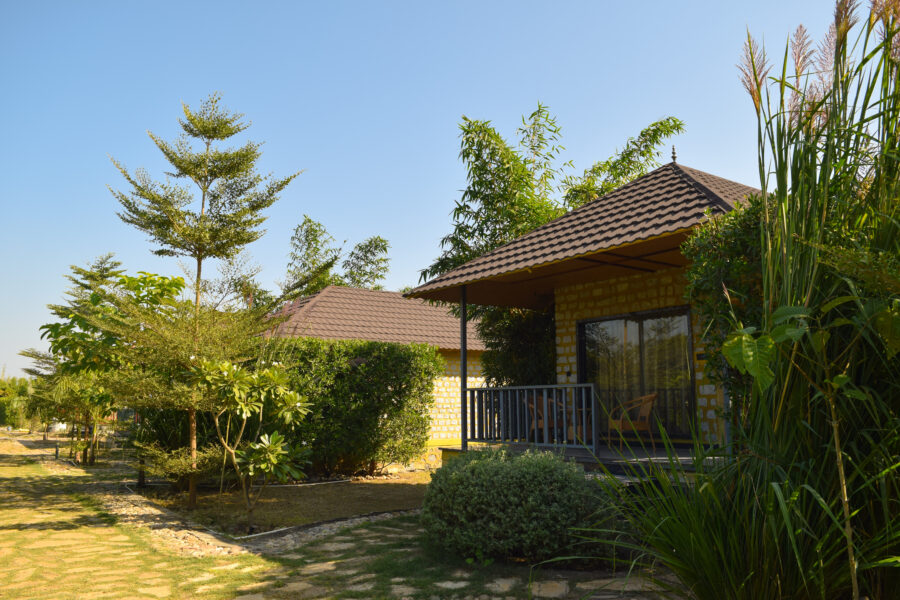
Soon we entered the Doodhni village, and the Jawai wilderness lodge, tucked in an intimate corner of the village. I got to know that the Jawai landscape was shaped millions of years ago by lava, and its natural caves and rock shelters are where wild animals seek refuge. Also that the people in Jawai not just tolerate the leopards but worship them. The Rabari tribe, which are mostly the shepherds, consider leopards the divine guardians of these hills and the holy deities that inhabit these hills.
My mind was brimming with question as I set out on the village tour and to the Jawai dam. I wanted to understand the bond that human and leopards have forged in this land. They live close and yet not intrude in each other’s territory. The locals co-exist with the leopards and tolerate their presence and occasional attacks on the domestic animals. And the reasons go far beyond the cultural and spiritual bonds they have with the leopards. Over the last decade, courtesy these leopards, tourism has grown in the village, and with that the economy of the village. Thus, the co-existence did have a multi-faceted dimension, with its anchored in the cultural and spiritual roots of the place.
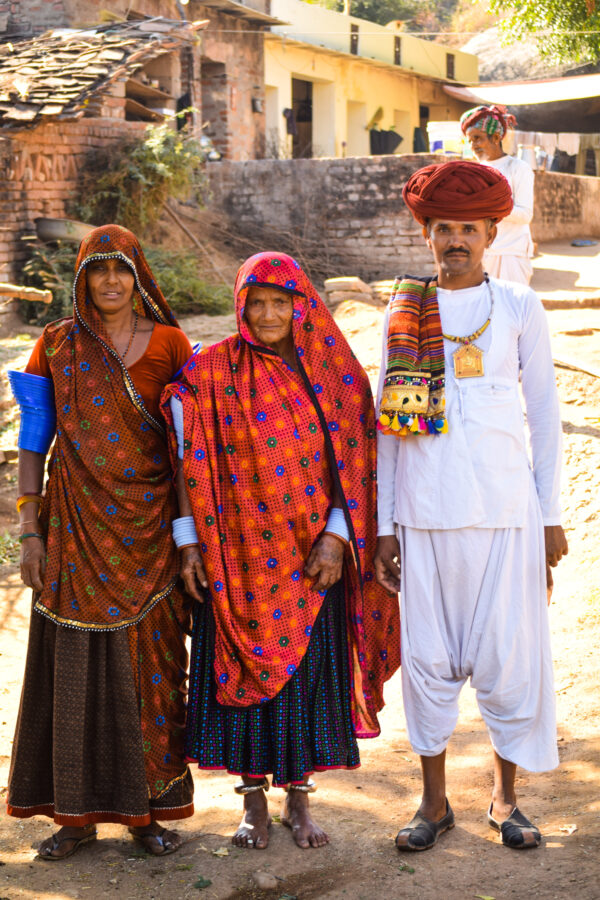
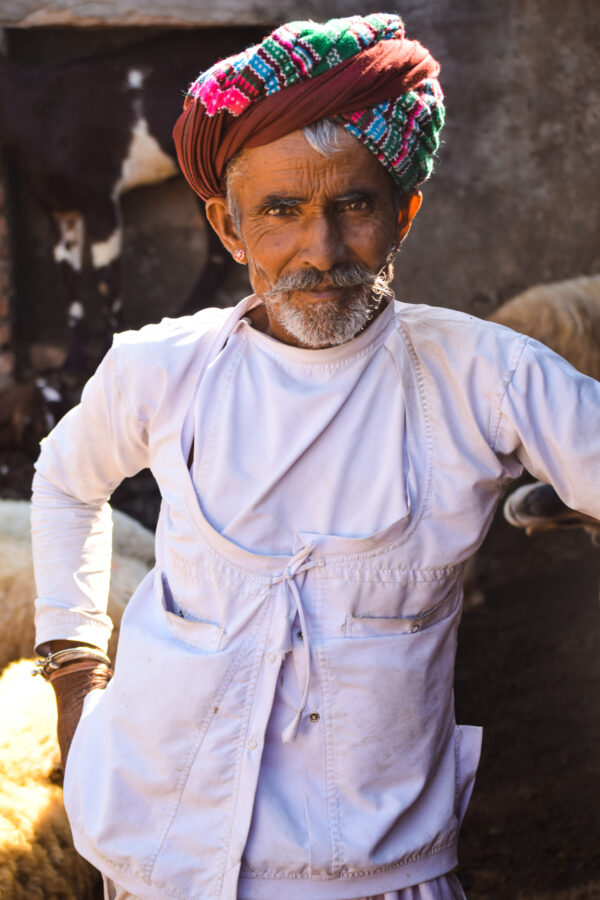
The Doodhni village seems like a typical hamlet of rural Rajasthan. There are clusters of whitewashed homes, mud courtyards swept clean at dawn, and cattle ambling lazily through narrow lanes. The Rabaris shape the personality of Jawai. The Rabari herders, who move through the village, dressed in their traditional white garments and crimson turbans, with an ease born from generations of living in harmony with nature. Their lifestyle – particularly their cattle with long horns and the dotted Sirohi goats – gives the village a gentle, ever-present pulse.
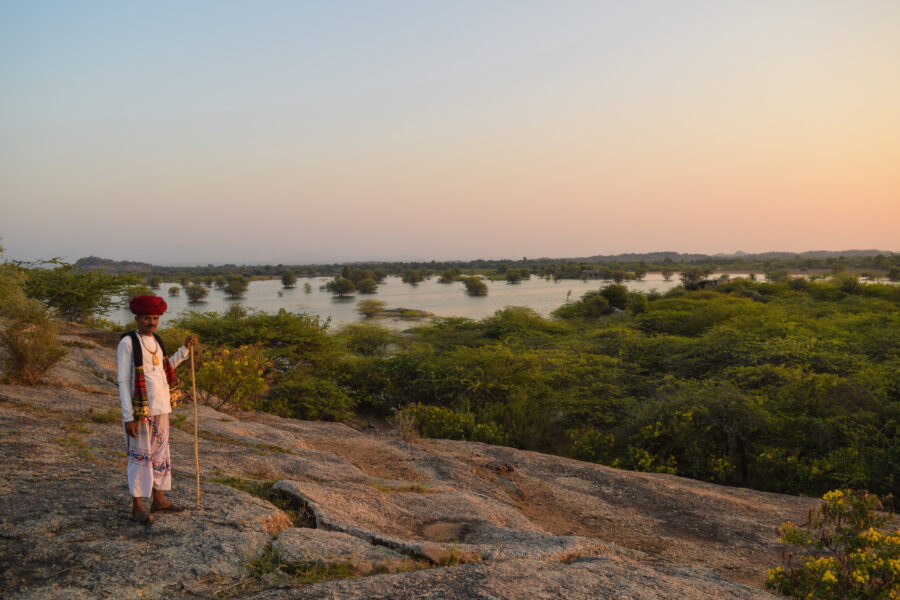
A narrow lane through the village, dotted with ‘vedishi babool’ as my guide Malkraj ji called it, leads to the dam. Walking along with a Rabari was enlightening. I wasn’t just getting educated about the social customs and the way of life in the Rabari villages but was involuntarily exposed to pertinent ecological problems they face. Like the ‘videshi babool’, an alien species which has taken over the entire landscape and left no space for indigenous plant species to grow. Since Jawai is not regarded a wildlife sanctuary, the Forest Department doesn’t take any efforts to restore the landscape and plant the indigenous species.
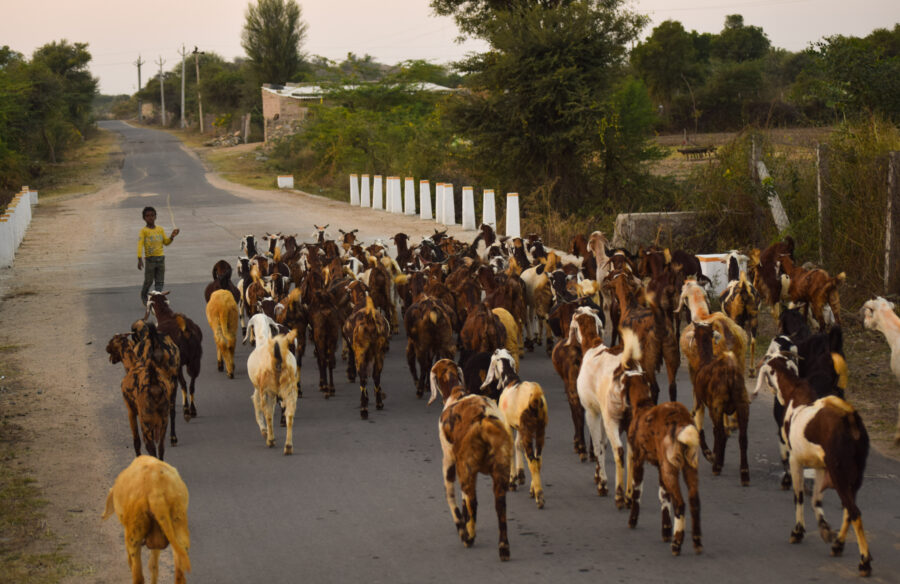
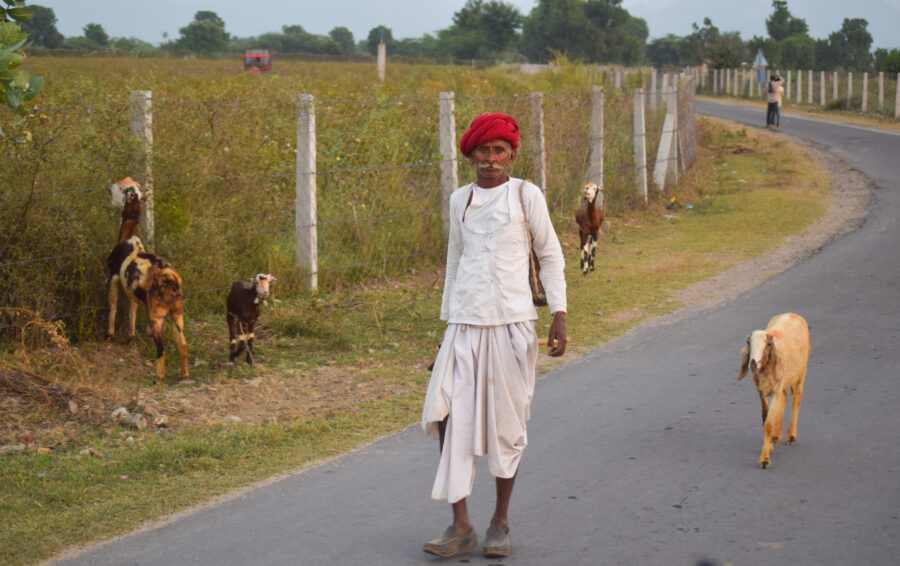
I was captivated by the countless stories that flowed effortlessly. There were tales of rain and crops, of leopards and of temples perched impossibly on cliff edges. For the villagers, these hills are sacred spaces where their deities reside. Malkraj ji spoke of leopards that live near these temples, sharing the terrain with worshipers. At times, he said, you can even spot them lounging on the rocks as devotees climb up to offer their prayers.
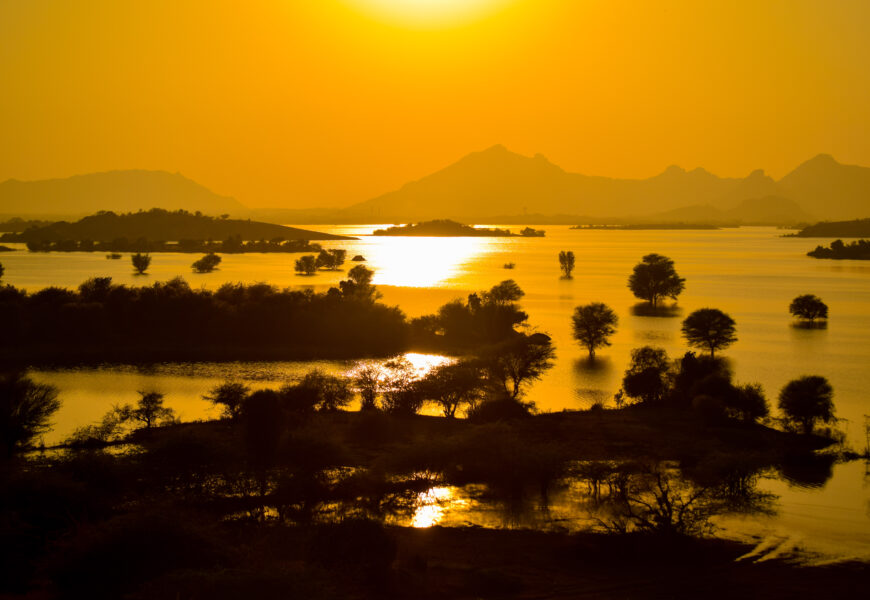
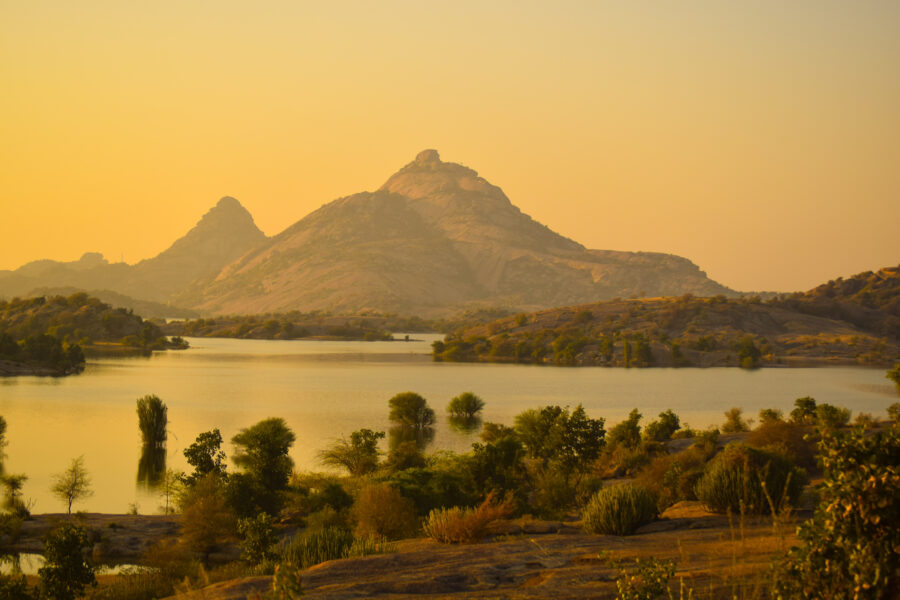
With these stories still swirling in my mind, we walked on until we reached a cliff that dropped away into the calm sweep of the reservoir. It was the perfect spot for a sundowner, the sky unfolding in slow, stunning colours. The coffee table was set. The spot and the panoramic view before me had already got me in a click-frenzy mode. As the sun melted into the horizon and the skies took on an orange hue, the waters in the reservoir shimmered back in soft, molten colours. I had waited for this sunset—not just for hours, but for years spent longing to be in Jawai. As I stood there, I let my eyes drink in the granite hills rising on the far side of the reservoir. I knew that the leopards, who had spent the day tucked away in their rocky shelters, would now be waking, stretching, and preparing to move through the very terrain we had crossed earlier, like some silent shadows of the night. This is their land, which they reclaim at dusk, slipping back into the wilderness with a quiet authority that belonged only to them.
This blog is in collaboration with Jawai Wilderness Lodge who hosted me for this trip.
Hits: 1545
Tags: Jawai, Jawai Bandh, Jawai leopard safari, Jawai wildlife sanctuary, Leopard safari, Leopard safari in Rajasthan, Leopard sighting in Jawai, offbeat in Rajasthan Last modified: December 14, 2025